
1–9 boxes
$108.00 each
10–24 boxes
8% off
25+ boxes
10% off
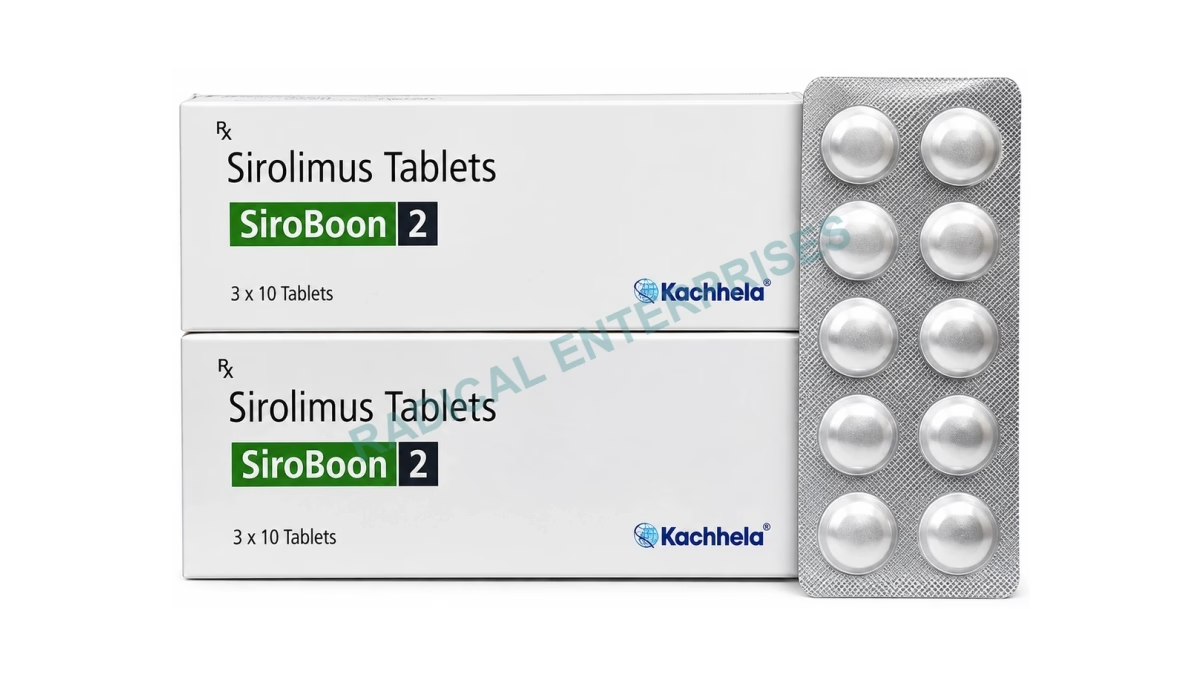
Sirolimus 2mg is an oral immunosuppressant used mainly to help prevent kidney-transplant rejection when sirolimus is part of a specialist transplant regimen. It inhibits the mTOR pathway, reducing T-cell activation and proliferation so the immune system is less likely to attack the transplanted organ.
Take Sirolimus 2mg exactly as prescribed at the same time each day, consistently with or without food. Do not change dose or miss doses without transplant-team advice. Blood-level monitoring may be required.
Sirolimus inhibits mTOR signaling, reducing lymphocyte activation and proliferation involved in transplant rejection.
Possible effects include edema, high lipids, high blood pressure, abdominal pain, diarrhea, headache, fever, urinary infection, anemia, nausea, joint pain, low platelets, acne, and mouth ulcers. Serious concerns include infection, lymphoma or skin cancer, pneumonitis, impaired wound healing, kidney problems, proteinuria, and severe allergy.
Review transplant type, infection risk, vaccination plan, skin-cancer protection, wound healing or upcoming surgery, lipid levels, kidney function, urine protein, blood counts, pregnancy, breastfeeding, cyclosporine/tacrolimus, azoles, macrolides, rifampicin, anticonvulsants, grapefruit, and cannabidiol.
Prevention of kidney-transplant rejection when sirolimus is prescribed as part of a specialist immunosuppressive regimen.
Helps suppress the immune response that can damage a transplanted kidney when blood levels and safety parameters are carefully monitored.
Sirolimus 2mg is used to help prevent kidney-transplant rejection when included in a transplant specialist's regimen.
Sirolimus levels, kidney function, lipids, blood counts, and urine protein may need monitoring to balance efficacy and toxicity.
Missed or inconsistent doses can increase rejection risk or cause unstable sirolimus blood levels.
Fever, cough, painful urination, unusual fatigue, mouth ulcers, or non-healing wounds should be reported promptly.
Yes. Azole antifungals, macrolides, rifampicin, seizure medicines, grapefruit, and some transplant medicines can strongly affect levels.
Sirolimus, MTOR inhibitor, Kidney transplant rejection prevention, Immunosuppressant monitoring, Infection lymphoma warning, Sirolimus trough level, AR: Sirolimus أقراص, FR: Sirolimus comprimé, PT: Sirolimus comprimido, ES: Sirolimus tableta, RU: Sirolimus таблетки, ID: Sirolimus, VI: Sirolimus viên nén, MS: Sirolimus, TL: Sirolimus tableta, ZH-SG: Sirolimus 片剂
International B2B Enquiry
Send a structured B2B enquiry for Sirolimus 2mg Tablets under Transplant Care. Global Medicines Export helps international buyers review product information, pack details, quantity requirements, destination-market needs, quotation support and export documentation coordination from India.
Product name, required strength or pack, expected quantity, destination country, buyer type and preferred manufacturer if any.
Availability, quotation support, documentation expectations and shipment-ready order communication can be reviewed before confirmation.
Commercial invoice, packing information, manufacturer details, batch details and supporting documents where applicable and available.
Product availability, quotation, and documentation support are coordinated for international B2B enquiries.
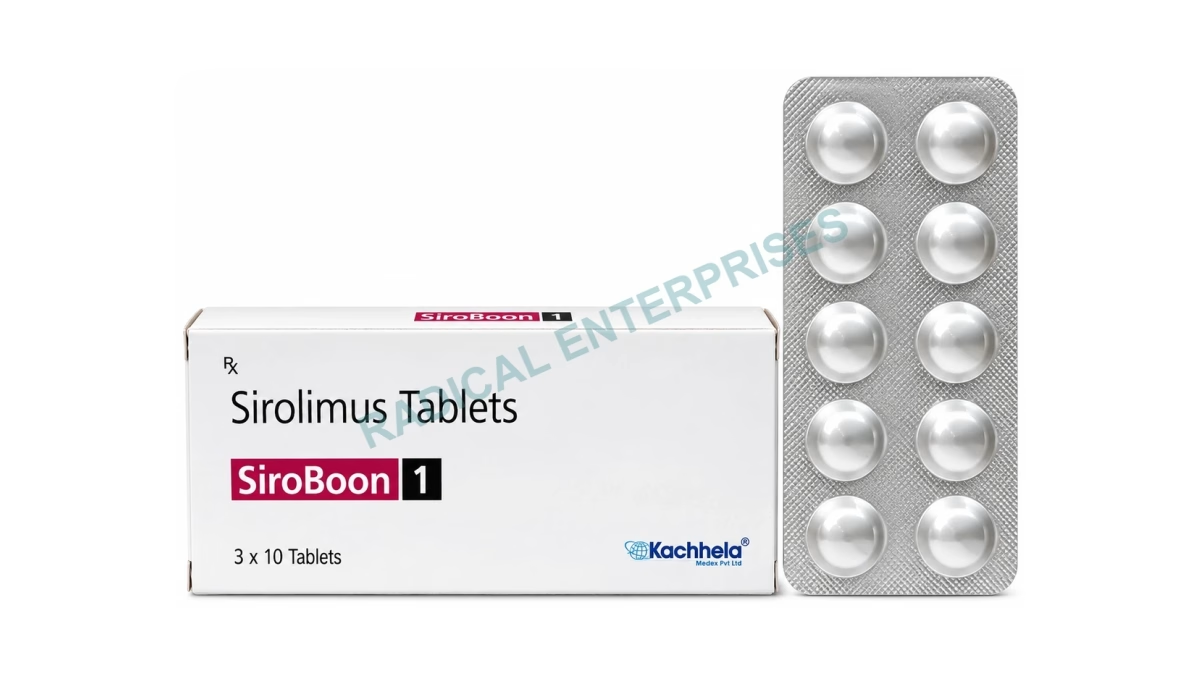 Sirolimus 1mg Tablets
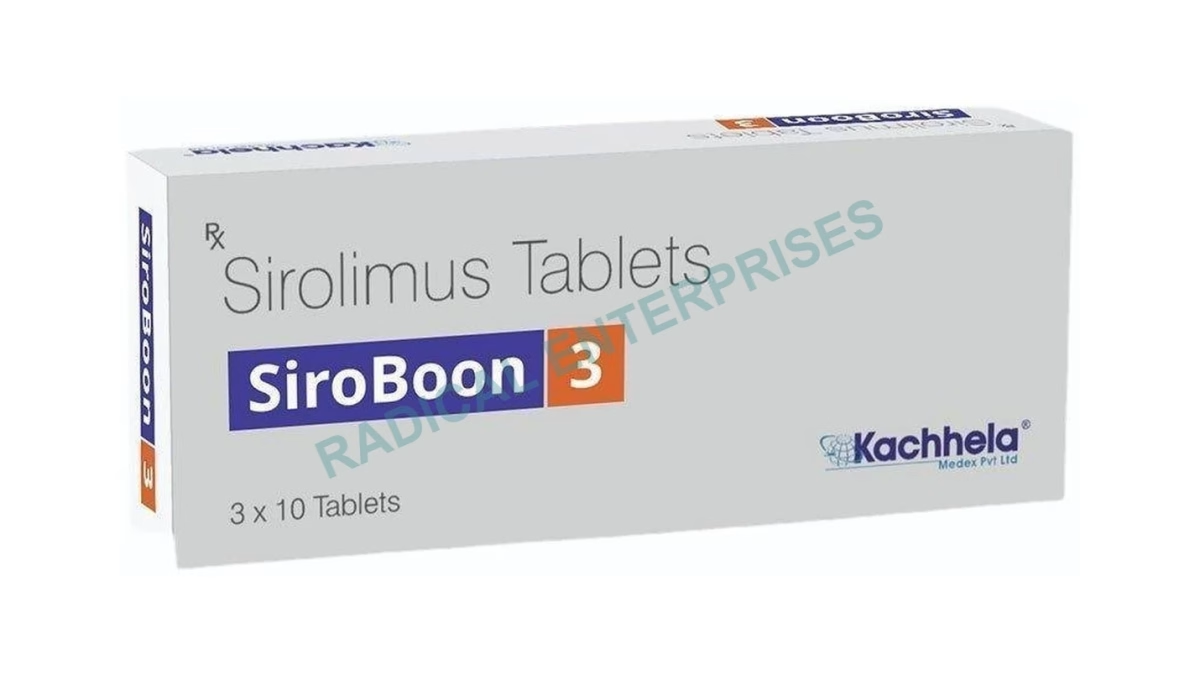 Sirolimus 3mg Tablets
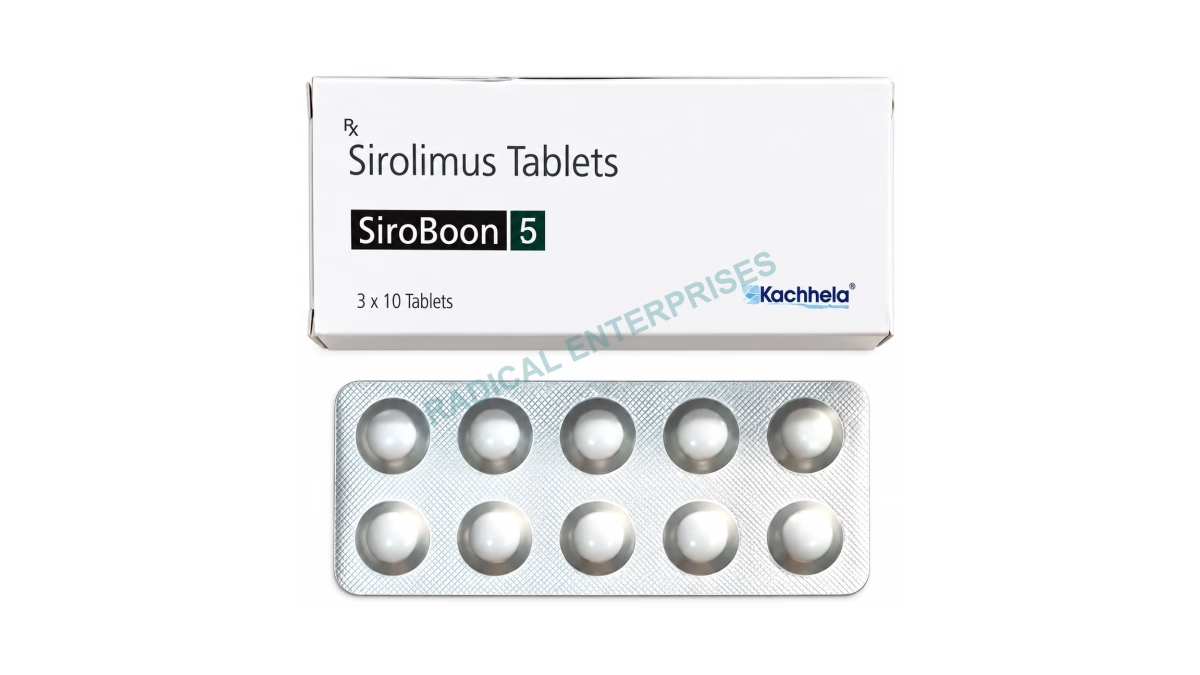 Sirolimus 5mg Tablets
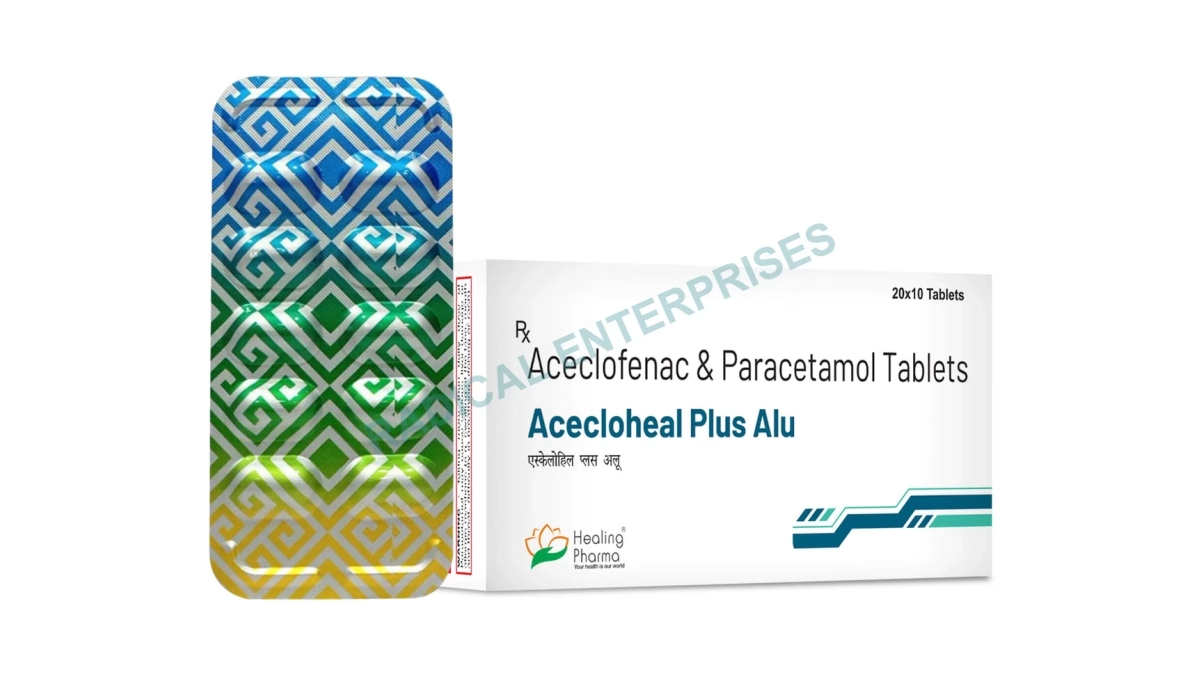 Aceclofenac 100mg + Paracetamol 325mg Tablets
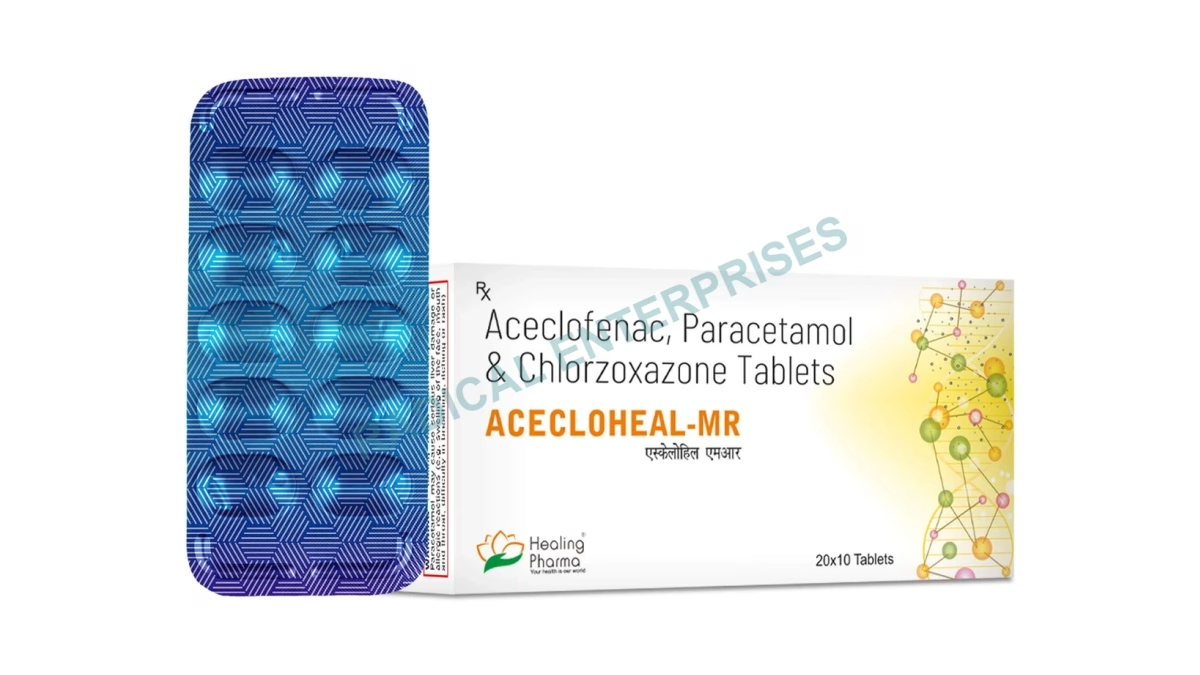 Aceclofenac 100mg + Paracetamol 325mg + Chlorzoxazone 250mg Tablets
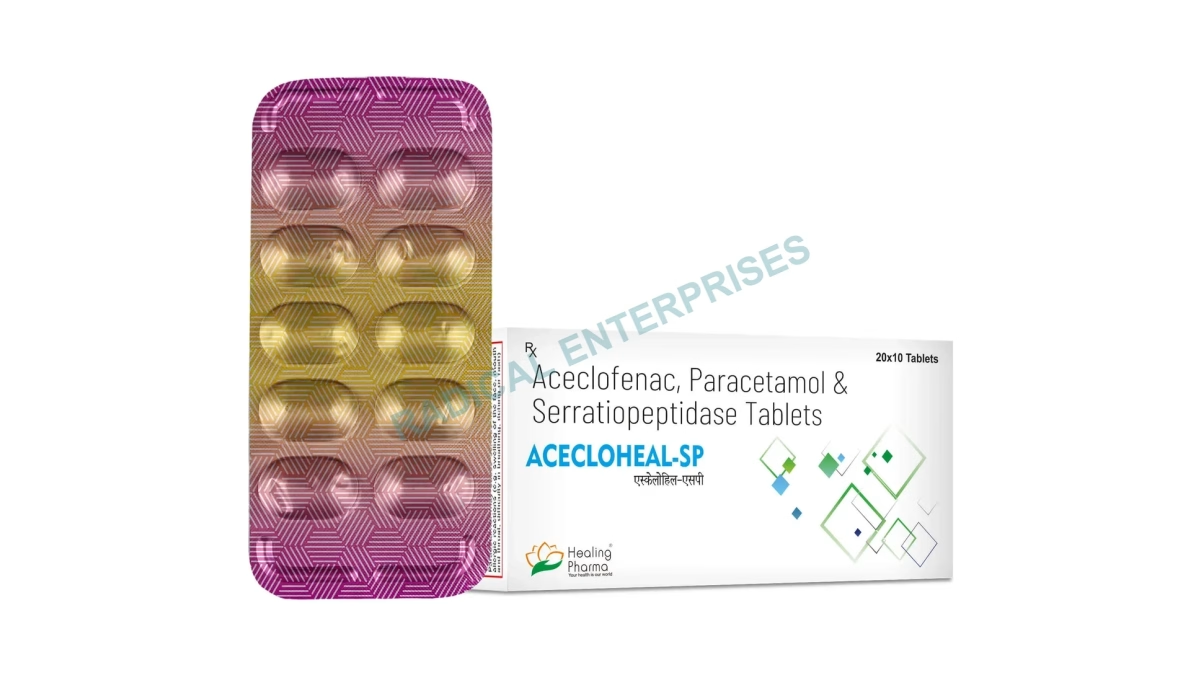 Aceclofenac 100mg + Paracetamol 325mg + Serratiopeptidase 15mg Tablets
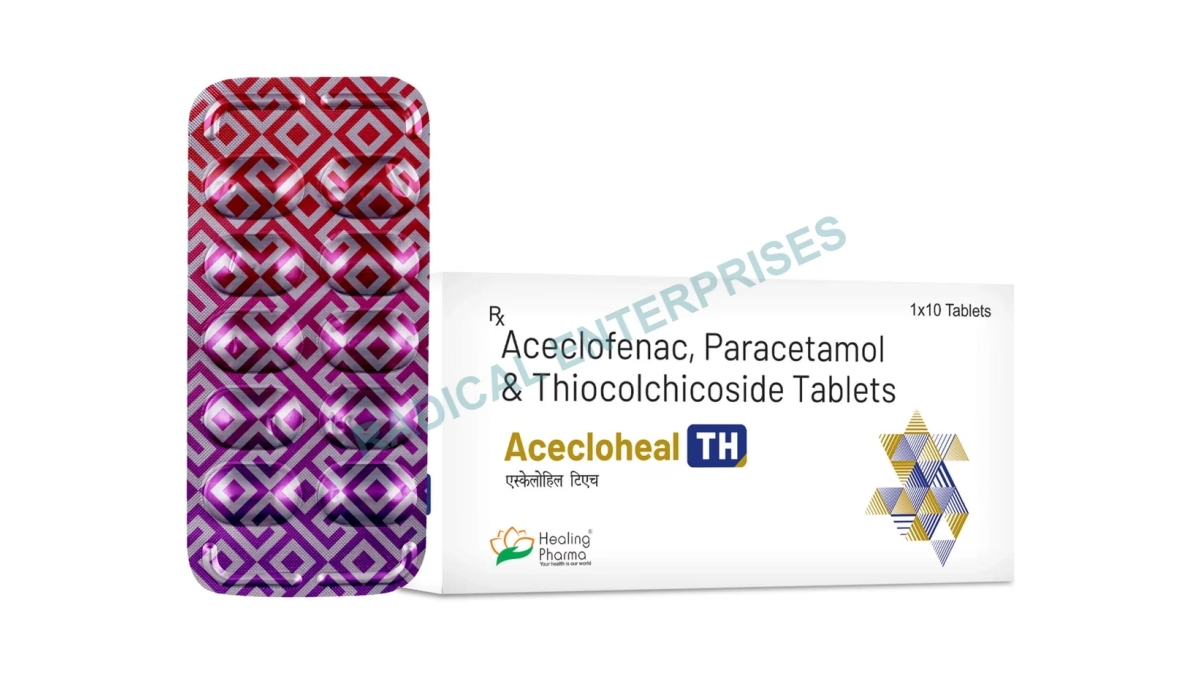 Aceclofenac 100mg + Paracetamol 325mg + Thiocolchicoside 4mg Tablets
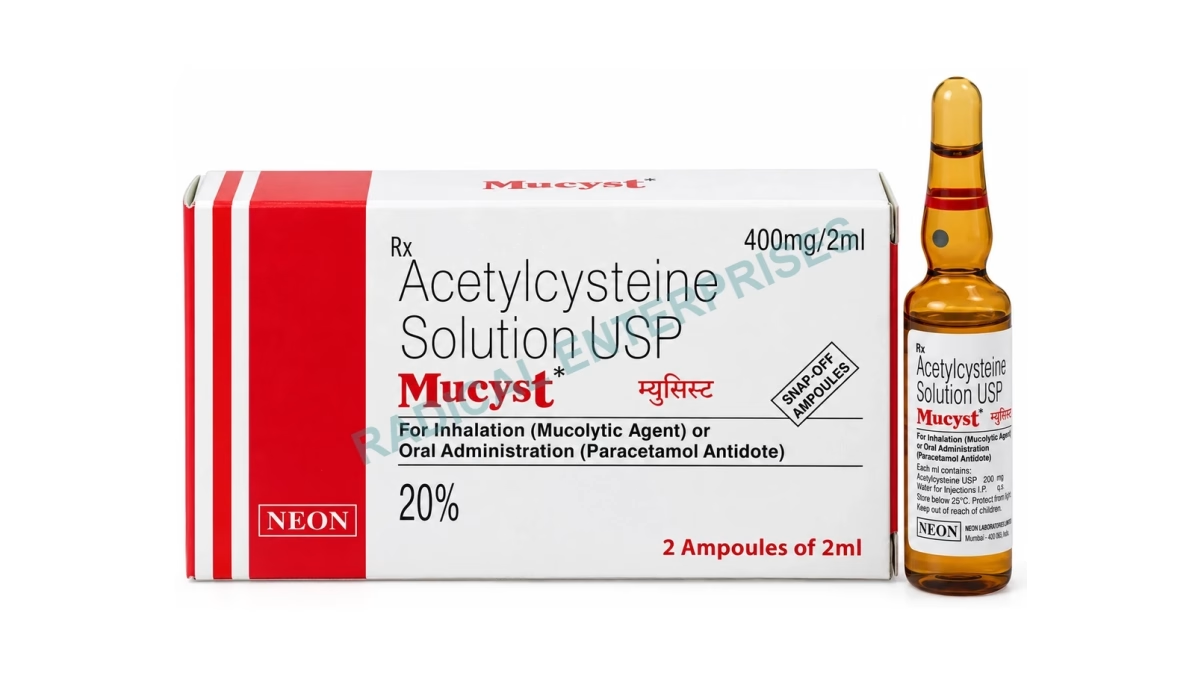 Acetylcysteine 400mg/2mL Injection