
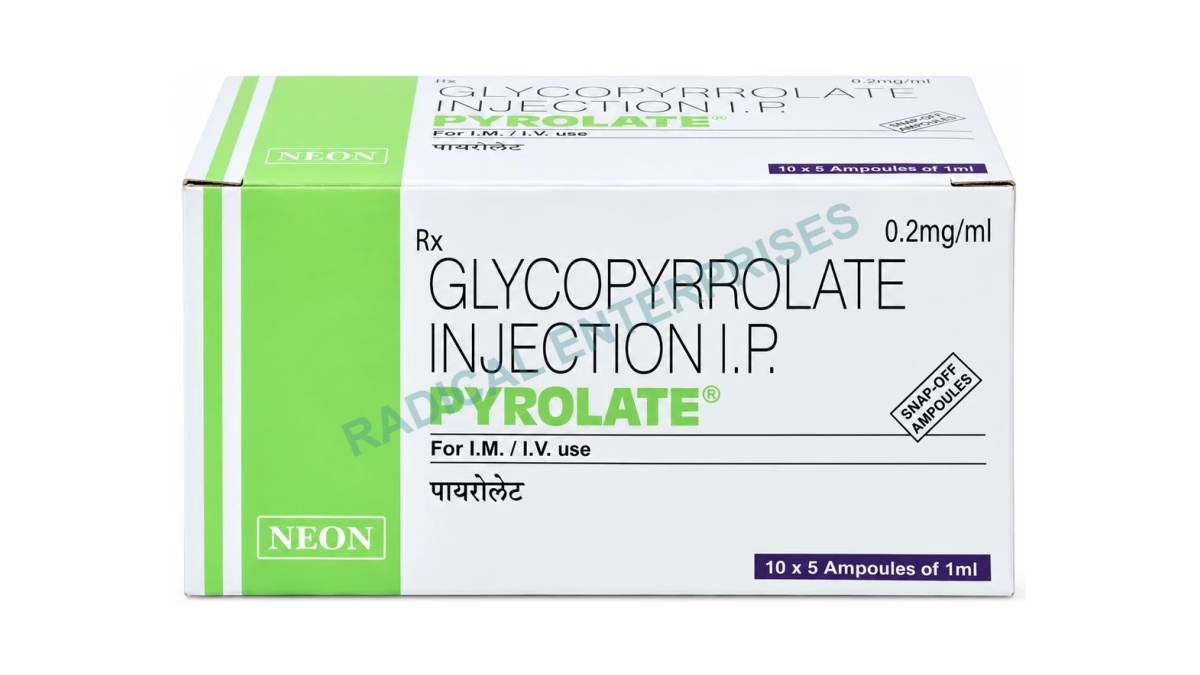
1–9 boxes
$27.00 each
10–24 boxes
8% off
25+ boxes
10% off
Glycopyrrolate 0.2mg/mL Injection is an injectable anticholinergic medicine used in supervised medical settings. It may be used before or during anesthesia to reduce airway and stomach secretions, to help manage certain reflex slow-heart-rate responses, and in other clinician-directed situations for glycopyrrolate treatment. Glycopyrrolate blocks muscarinic acetylcholine receptors and reduces secretions without crossing into the brain as readily as some older anticholinergics. Because it can increase heart rate, reduce sweating, thicken secretions, blur vision, and make urination harder, it needs careful assessment in people with glaucoma risk, urinary retention, prostate enlargement, bowel obstruction, severe ulcerative colitis, heart rhythm problems, high blood pressure, fever, dehydration, or neuromuscular disorders. It is not a routine self-use medicine. Report chest pain, severe palpitations, inability to pass urine, eye pain, confusion, severe constipation, or heat-related symptoms promptly.
Glycopyrrolate 0.2mg/mL Injection is administered by trained healthcare professionals by the prescribed injection route. Dose and timing depend on the procedure, indication, age, weight, and response. Do not self-administer unless specifically trained and directed.
Glycopyrrolate blocks muscarinic acetylcholine receptors, reducing gland secretions and parasympathetic effects such as excessive salivation or vagal slowing of the heart.
Possible effects include dry mouth, blurred vision, light sensitivity, fast heartbeat, palpitations, constipation, reduced sweating, urinary retention, nausea, and injection-site discomfort. Serious concerns include severe tachycardia, heat illness, allergic reaction, eye pain in angle-closure glaucoma risk, and inability to urinate.
Review glaucoma, urinary retention, prostate enlargement, bowel obstruction, ulcerative colitis, heart disease, rhythm problems, high blood pressure, fever, dehydration, kidney disease, pregnancy, breastfeeding, and other anticholinergic medicines.
Reduction of secretions around anesthesia or other supervised injectable glycopyrrolate indications.
Helps control excessive secretions and selected parasympathetic responses during supervised care without prominent central nervous system penetration.
Glycopyrrolate 0.2mg/mL Injection is used in supervised settings to reduce secretions and manage selected anticholinergic needs around procedures or anesthesia.
Yes. These are expected anticholinergic effects and should be monitored, especially if severe.
Glycopyrrolate can reduce sweating, so fever, heat exposure, or dehydration can become riskier.
People with glaucoma risk, urinary retention, bowel obstruction, heart rhythm problems, or high fever need careful review.
Usually no. Injectable glycopyrrolate is generally given by healthcare professionals in monitored settings.
Glycopyrrolate, Anticholinergic, Anesthesia secretion control, Muscarinic receptor blocker, Dry mouth urinary retention, Perioperative medicine, AR: Glycopyrrolate /mL حقن, FR: Glycopyrrolate /mL, PT: Glycopyrrolate /mL injeção, ES: Glycopyrrolate /mL inyección, RU: Glycopyrrolate /mL инъекция, ID: Glycopyrrolate /mL injeksi, VI: Glycopyrrolate /mL thuốc tiêm, MS: Glycopyrrolate /mL suntikan, TL: Glycopyrrolate /mL iniksyon, ZH-SG: Glycopyrrolate /mL 注射剂
International B2B Enquiry
Send a structured B2B enquiry for Glycopyrrolate 0.2mg/mL Injection under Anaesthesia Care. Global Medicines Export helps international buyers review product information, pack details, quantity requirements, destination-market needs, quotation support and export documentation coordination from India.
Product name, required strength or pack, expected quantity, destination country, buyer type and preferred manufacturer if any.
Availability, quotation support, documentation expectations and shipment-ready order communication can be reviewed before confirmation.
Commercial invoice, packing information, manufacturer details, batch details and supporting documents where applicable and available.
Product availability, quotation, and documentation support are coordinated for international B2B enquiries.
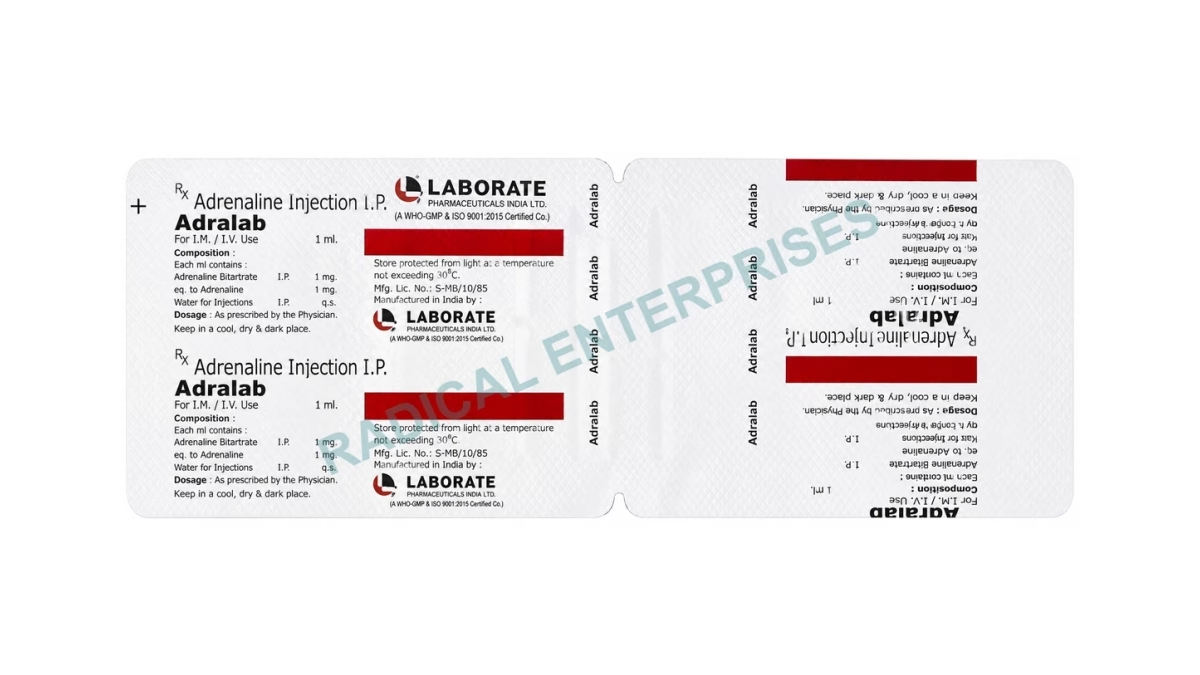 Adrenaline (Epinephrine) 1mg/mL Injection
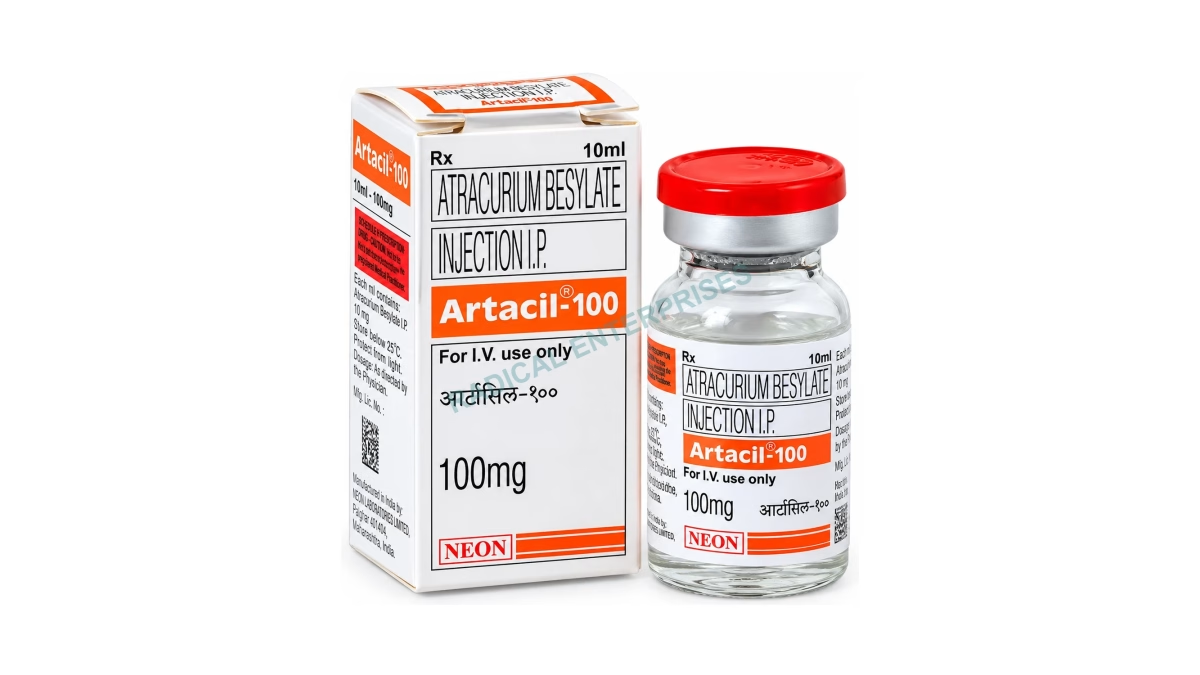 Atracurium Besylate 100mg/10mL Injection
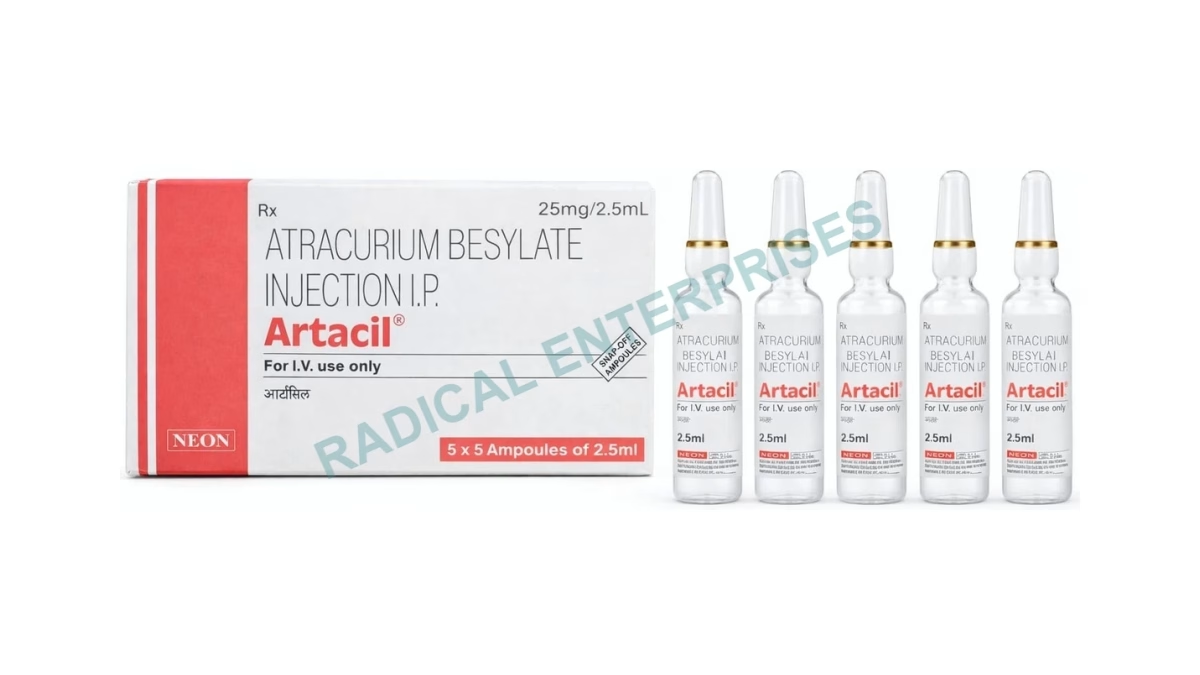 Atracurium Besylate 25mg/2.5mL Injection
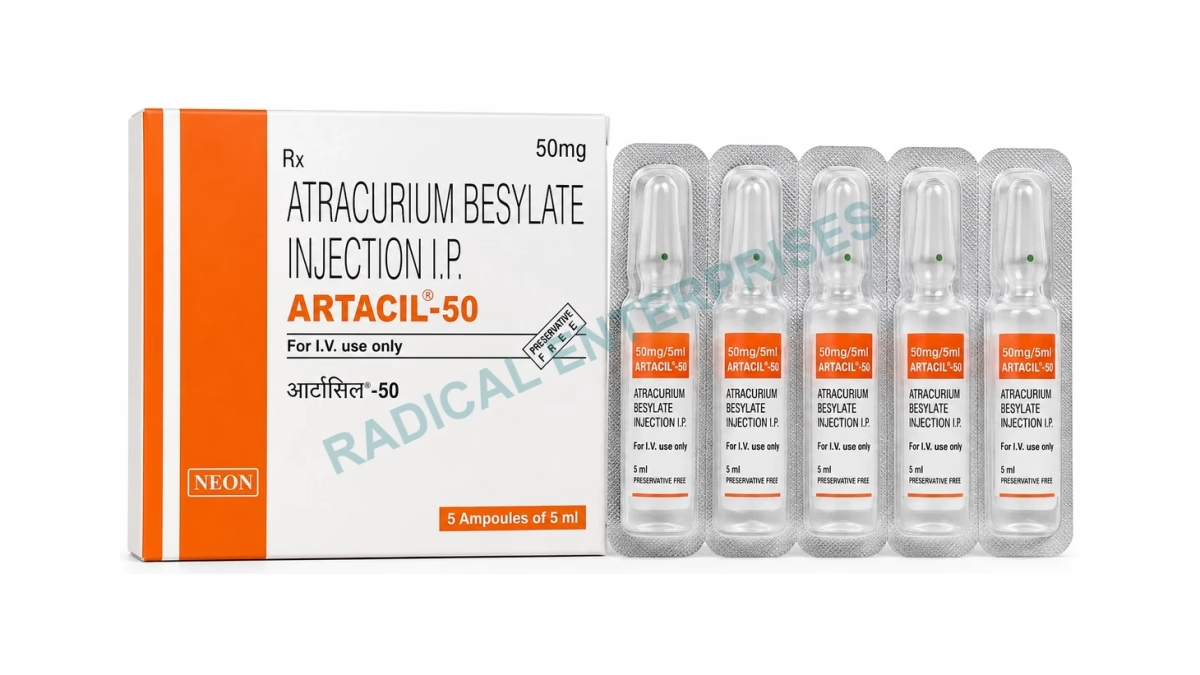 Atracurium Besylate 50mg/5mL Injection
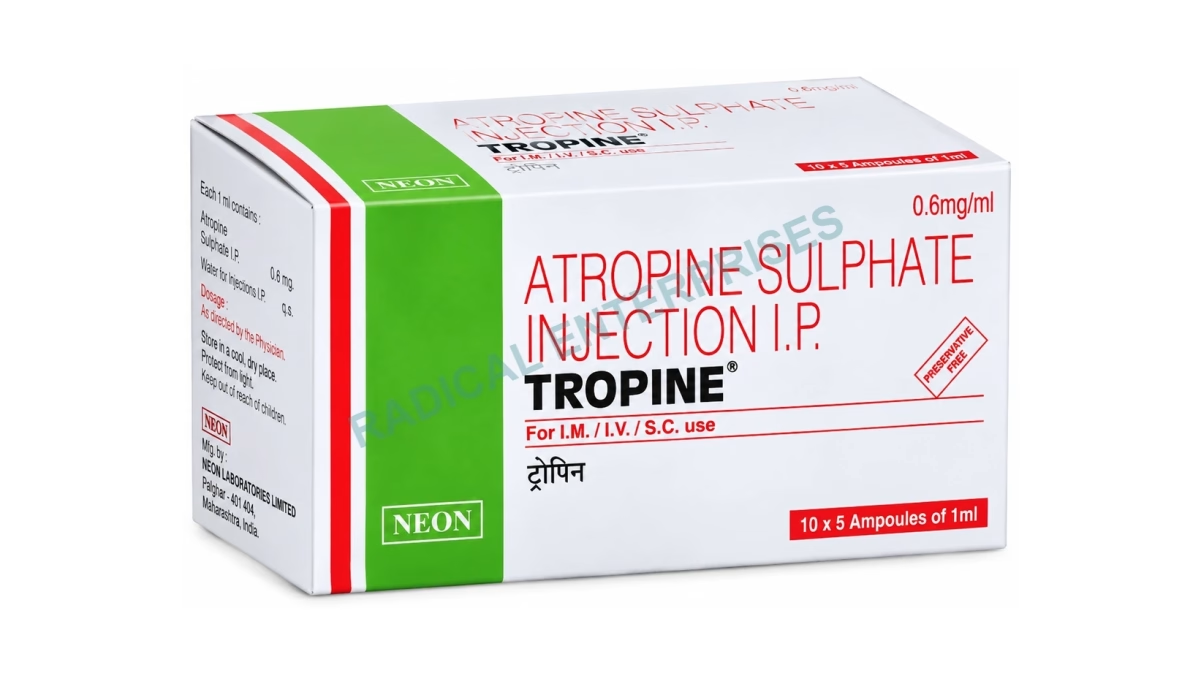 Atropine Sulphate 0.6mg/mL Injection
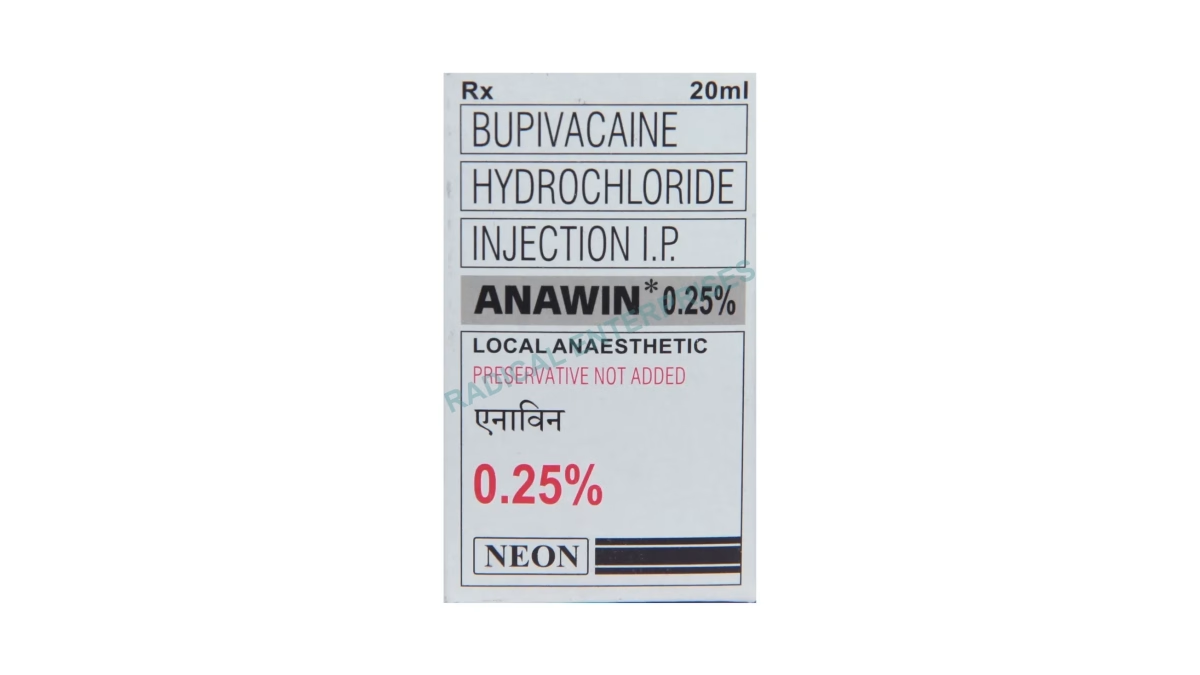 Bupivacaine Hydrochloride 0.25% w/v, 20mL Injection
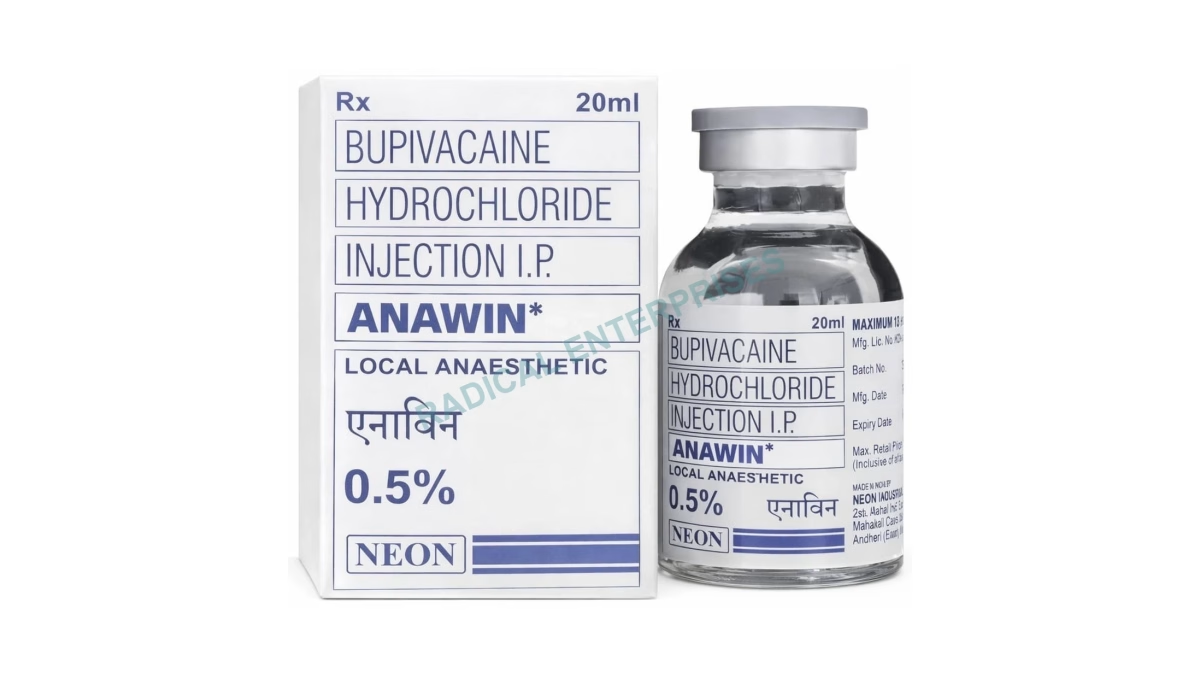 Bupivacaine Hydrochloride 0.5% w/v, 20mL Injection
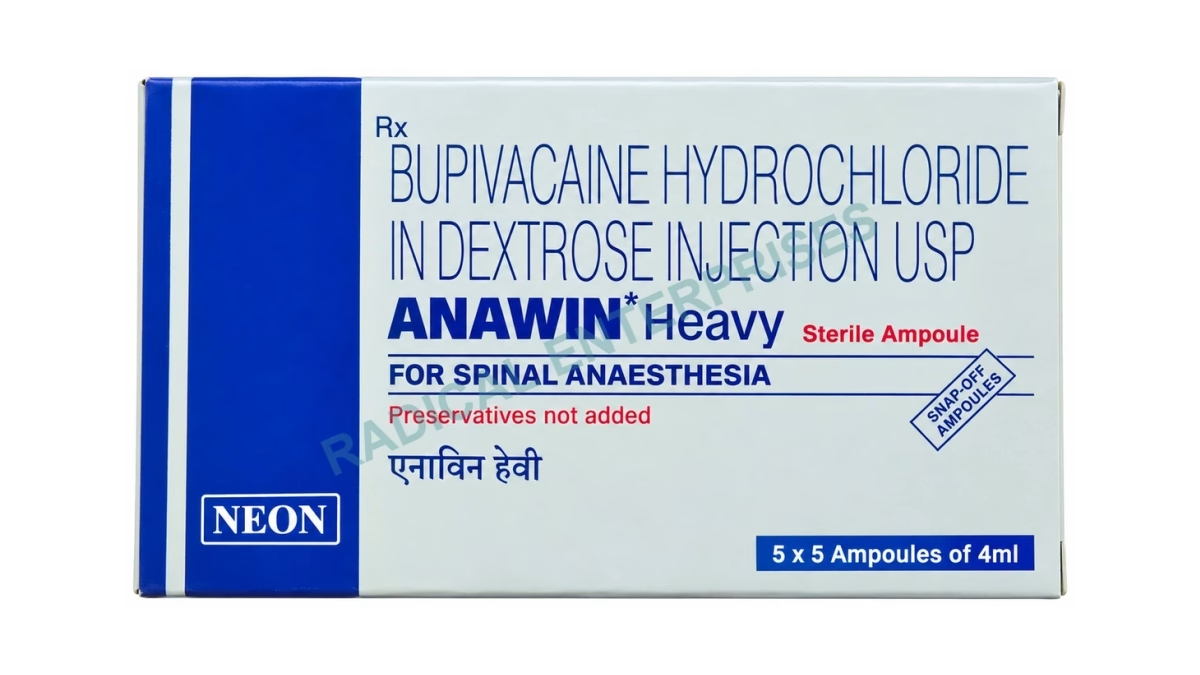 Bupivacaine Hydrochloride 5mg/mL + Dextrose 80mg/mL, 4mL Injection