1–9 boxes
$40.00 each
10–24 boxes
8% off
25+ boxes
10% off
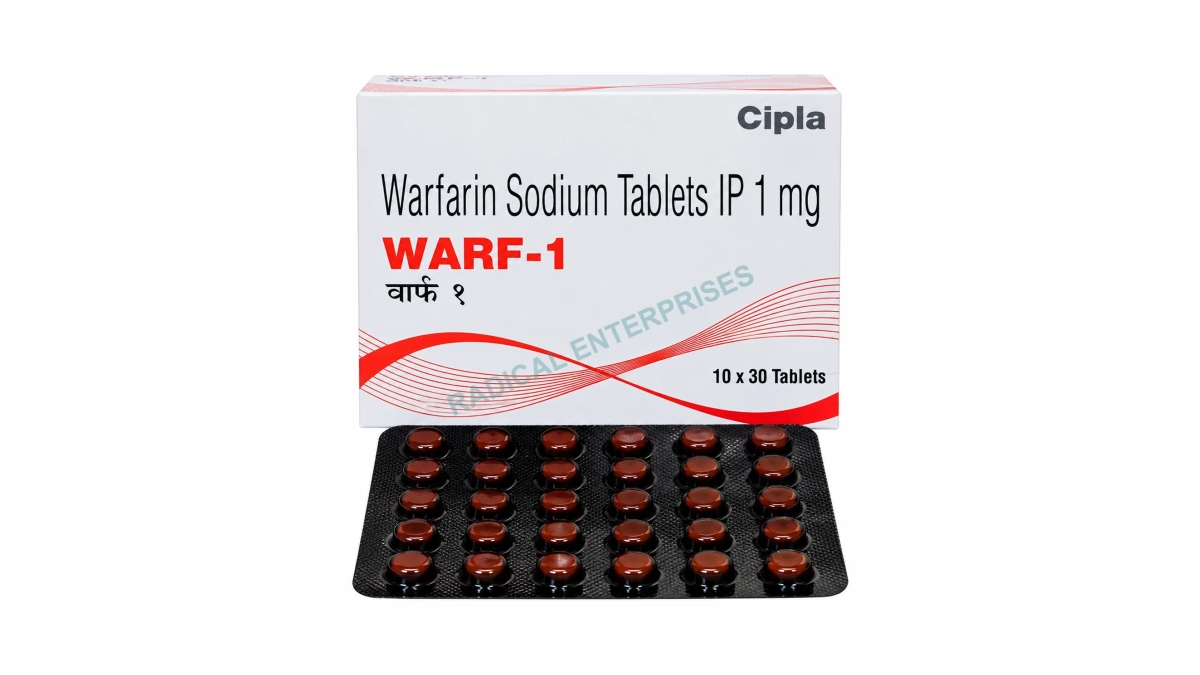
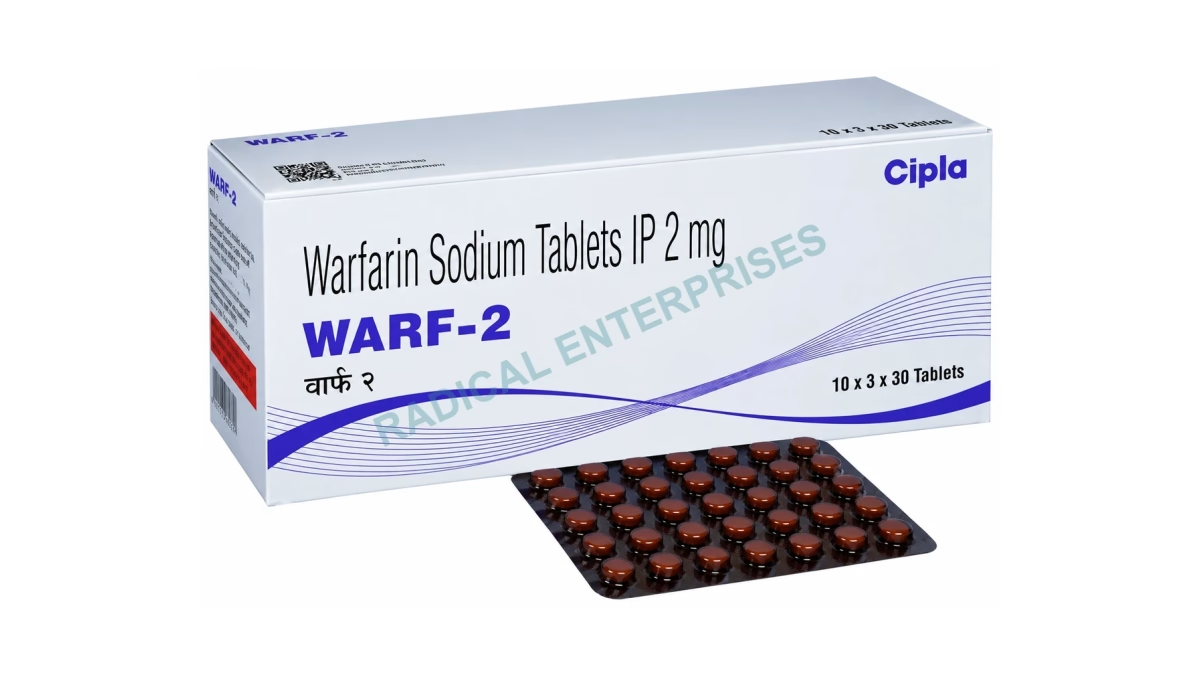
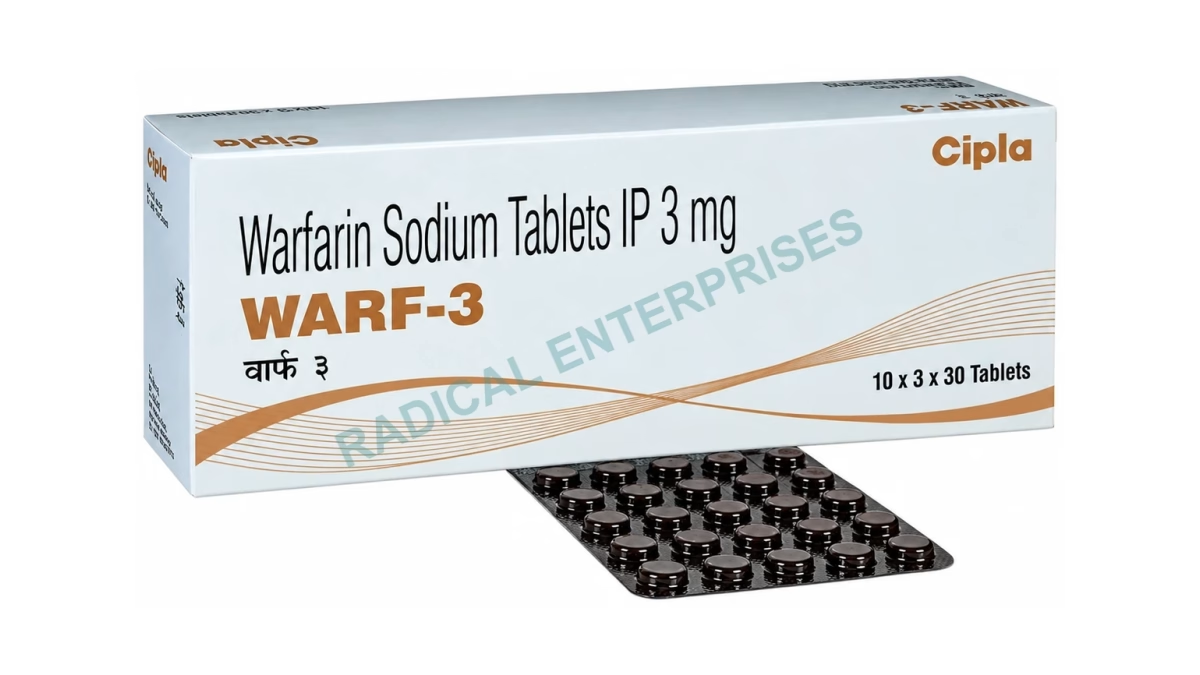
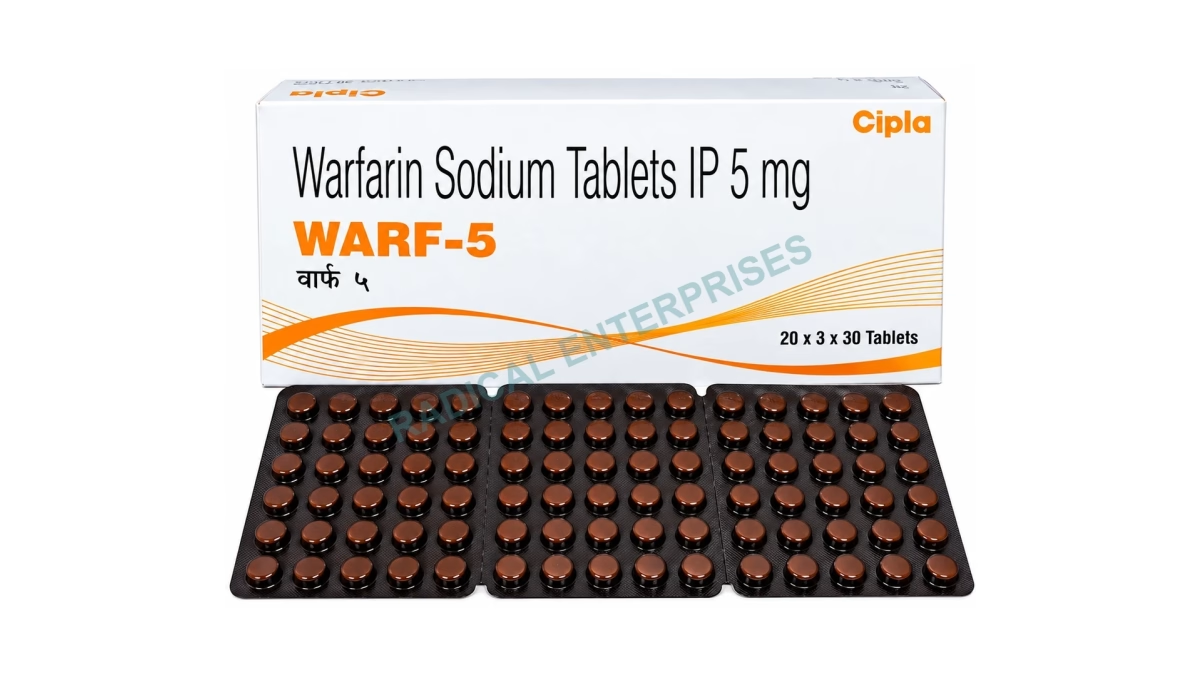
Warfarin 5mg is an oral anticoagulant used to prevent or treat harmful blood clots, including deep vein thrombosis, pulmonary embolism, stroke prevention in atrial fibrillation, and clot prevention with some heart valves or after certain cardiac events. It blocks vitamin K-dependent clotting factor activation, so dosing must be individualized using INR blood tests. Warfarin has a narrow therapeutic range: too little may not prevent clots, while too much can cause major or fatal bleeding. Diet consistency matters, especially foods high in vitamin K, and many medicines, antibiotics, antifungals, painkillers, herbal products, alcohol changes, illness, and missed doses can shift INR.
Take Warfarin 5mg at the same time each day and follow INR-based dosing exactly. Do not change diet, alcohol, or medicines without checking interaction risk.
Warfarin inhibits vitamin K epoxide reductase, reducing activation of clotting factors II, VII, IX, and X and anticoagulant proteins C and S.
Possible effects include bruising, nosebleeds, bleeding gums, nausea, and rash. Serious concerns include major bleeding, tissue necrosis, calciphylaxis, purple toe syndrome, fetal harm, and clotting if INR is too low.
Review INR target, bleeding history, liver/kidney disease, pregnancy, falls risk, diet consistency, alcohol, antibiotics, antifungals, NSAIDs, aspirin, antiplatelets, herbal products, and procedure plans.
Prevention or treatment of blood clots in conditions such as DVT, pulmonary embolism, atrial fibrillation, and selected valve or post-heart-attack settings.
Reduces risk of harmful clot formation when INR is kept in the prescribed therapeutic range.
Warfarin 5mg helps prevent or treat harmful blood clots in selected conditions.
INR shows whether the dose is too low, therapeutic, or dangerously high.
Usually consistency is more important than avoidance; sudden diet changes can alter INR.
NSAIDs and aspirin can increase bleeding risk unless specifically advised.
Black stools, vomiting blood, severe headache, heavy bleeding, major bruising, or a fall with head injury needs urgent care.
Warfarin, Oral anticoagulant, INR monitoring, Vitamin K antagonist, Bleeding risk, Diet interaction, AR: Warfarin أقراص, FR: Warfarin comprimé, PT: Warfarin comprimido, ES: Warfarin tableta, RU: Warfarin таблетки, ID: Warfarin, VI: Warfarin viên nén, MS: Warfarin, TL: Warfarin tableta, ZH-SG: Warfarin 片剂
International B2B Enquiry
Send a structured B2B enquiry for Warfarin 5mg Tablets under Blood Care. Global Medicines Export helps international buyers review product information, pack details, quantity requirements, destination-market needs, quotation support and export documentation coordination from India.
Product name, required strength or pack, expected quantity, destination country, buyer type and preferred manufacturer if any.
Availability, quotation support, documentation expectations and shipment-ready order communication can be reviewed before confirmation.
Commercial invoice, packing information, manufacturer details, batch details and supporting documents where applicable and available.
Product availability, quotation, and documentation support are coordinated for international B2B enquiries.