
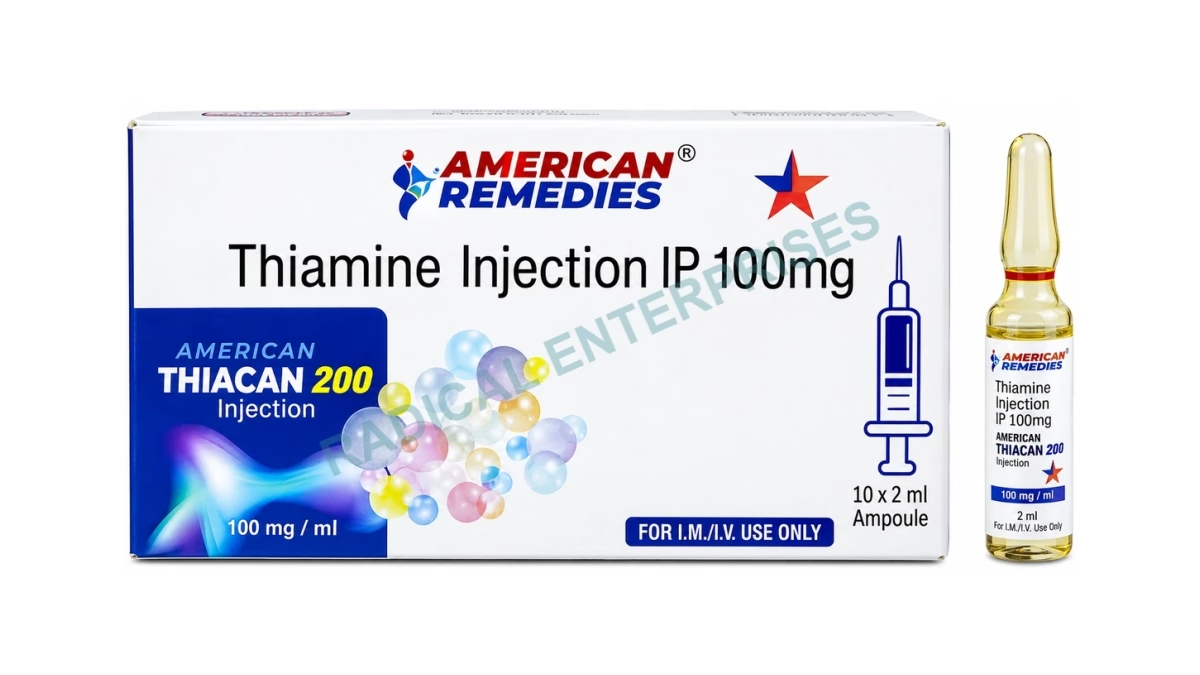
1–9 boxes
$72.00 each
10–24 boxes
8% off
25+ boxes
10% off
Thiamine Hydrochloride 2mL is an injectable vitamin B1 product used to treat or prevent thiamine deficiency for parenteral replacement treatment. Thiamine is essential for carbohydrate metabolism, nerve function, and energy production. Serious deficiency can cause beriberi, neuropathy, heart failure features, or Wernicke encephalopathy, which may present with confusion, eye-movement problems, poor coordination, or altered mental status. Injectable therapy is used when rapid replacement is needed or oral absorption/intake is unreliable. Treatment often needs broader nutritional correction, magnesium assessment, alcohol-withdrawal care, glucose timing in suspected Wernicke risk, and investigation of the cause of deficiency.
Thiamine Hydrochloride 2mL is given by a healthcare professional by the prescribed route. It may be part of a broader nutrition plan, and magnesium or other vitamins may also need correction.
Thiamine is converted to thiamine pyrophosphate, a coenzyme required for carbohydrate metabolism and normal nerve and cardiac function.
Possible effects include injection-site pain, warmth, sweating, itching, nausea, and dizziness. Serious but rare concerns include anaphylaxis or severe allergic reaction, especially with parenteral administration.
Review deficiency cause, alcohol use, malnutrition, vomiting, bariatric surgery, refeeding risk, dialysis, pregnancy hyperemesis, magnesium status, glucose administration in Wernicke risk, allergy history, and kidney/liver disease.
Treatment or prevention of thiamine deficiency when injectable vitamin B1 is prescribed.
Restores vitamin B1 rapidly when deficiency is likely, severe, or oral replacement is not reliable.
Thiamine Hydrochloride 2mL is used to treat or prevent vitamin B1 deficiency for injection therapy treatment.
Thiamine supports energy metabolism, nerve function, and heart function.
Risk is higher with poor nutrition, alcohol use, vomiting, malabsorption, bariatric surgery, dialysis, severe illness, or refeeding risk.
No. Injectable thiamine should be given under medical supervision unless a clinician has specifically trained the patient.
Confusion, eye movement problems, poor coordination, severe weakness, neuropathy, or heart-failure symptoms need urgent assessment.
Thiamine, Vitamin B1 deficiency treatment, Wernicke encephalopathy prevention, Beriberi neuropathy, Parenteral vitamin replacement, Refeeding risk, AR: Thiamine Hydrochloride حقن, FR: Thiamine Hydrochloride, PT: Thiamine Hydrochloride injeção, ES: Thiamine Hydrochloride inyección, RU: Thiamine Hydrochloride инъекция, ID: Thiamine Hydrochloride injeksi, VI: Thiamine Hydrochloride thuốc tiêm, MS: Thiamine Hydrochloride suntikan, TL: Thiamine Hydrochloride iniksyon, ZH-SG: Thiamine Hydrochloride 注射剂
International B2B Enquiry
Send a structured B2B enquiry for Thiamine Hydrochloride 200mg/2mL Injection under Nutrition Support. Global Medicines Export helps international buyers review product information, pack details, quantity requirements, destination-market needs, quotation support and export documentation coordination from India.
Product name, required strength or pack, expected quantity, destination country, buyer type and preferred manufacturer if any.
Availability, quotation support, documentation expectations and shipment-ready order communication can be reviewed before confirmation.
Commercial invoice, packing information, manufacturer details, batch details and supporting documents where applicable and available.
Product availability, quotation, and documentation support are coordinated for international B2B enquiries.
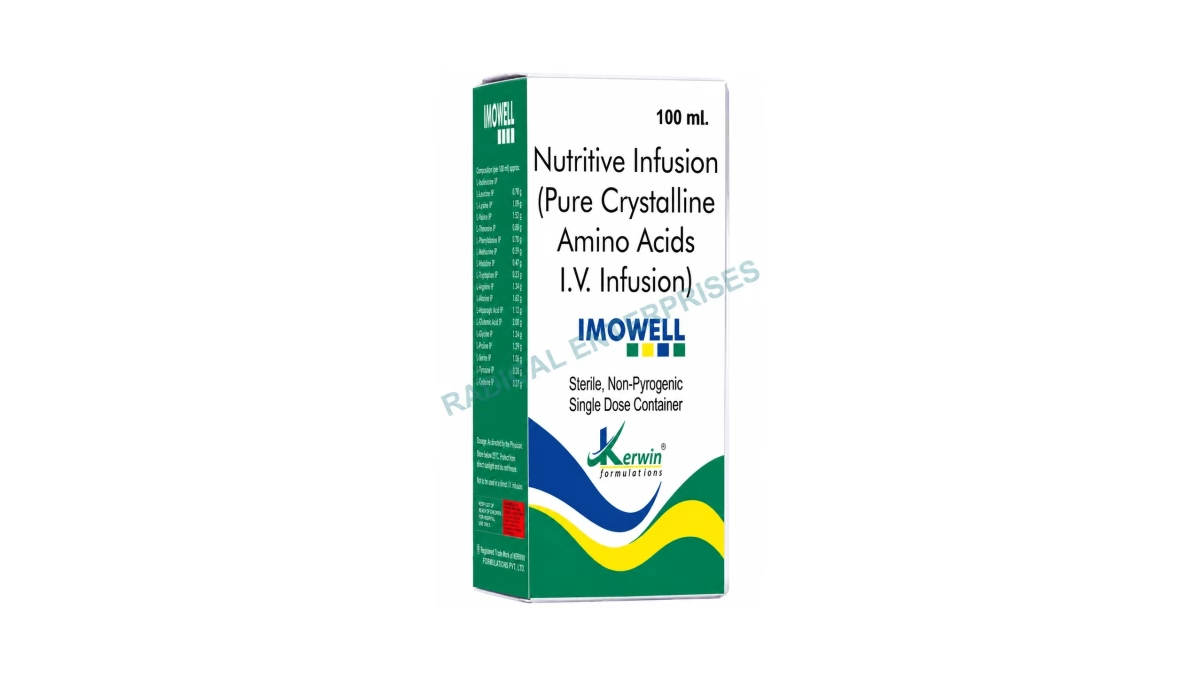 Amino Acids 5% w/v 5% w/v Infusion
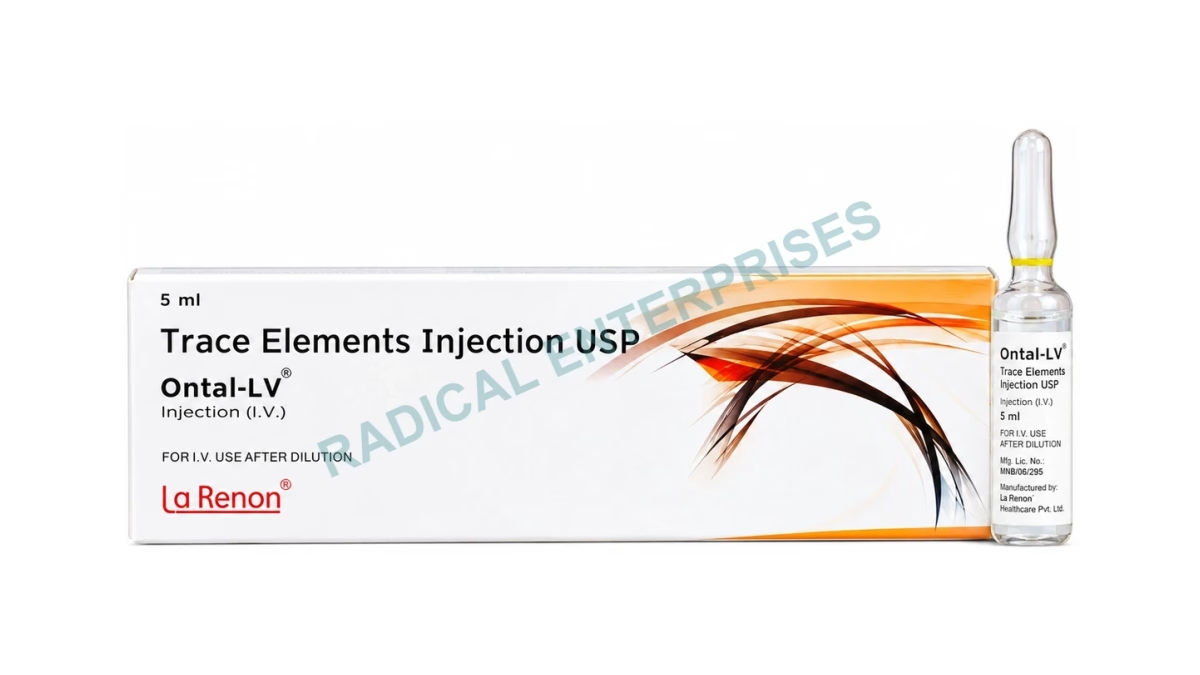 Chromium Chloride 4mcg + Copper Sulphate 0.4mg + Manganese Sulphate 0.1mg + Selenium 20mcg + Zinc Sulfate 5.8mg 3mL Injection
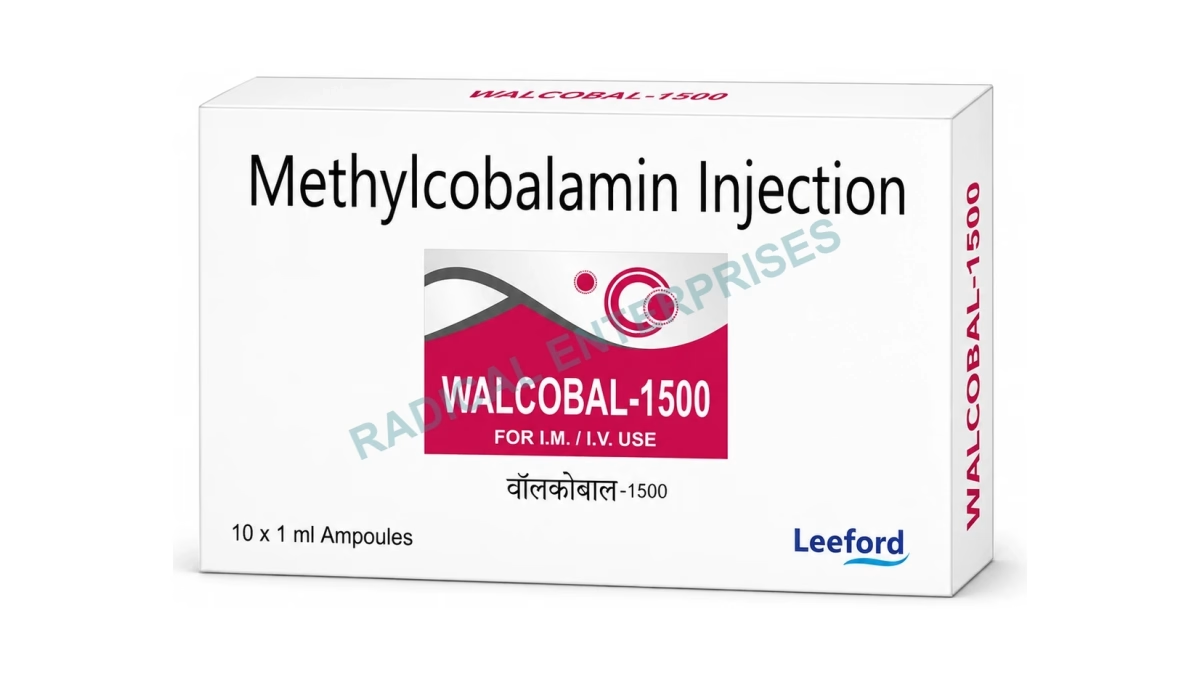 Methylcobalamin 1500mcg Injection
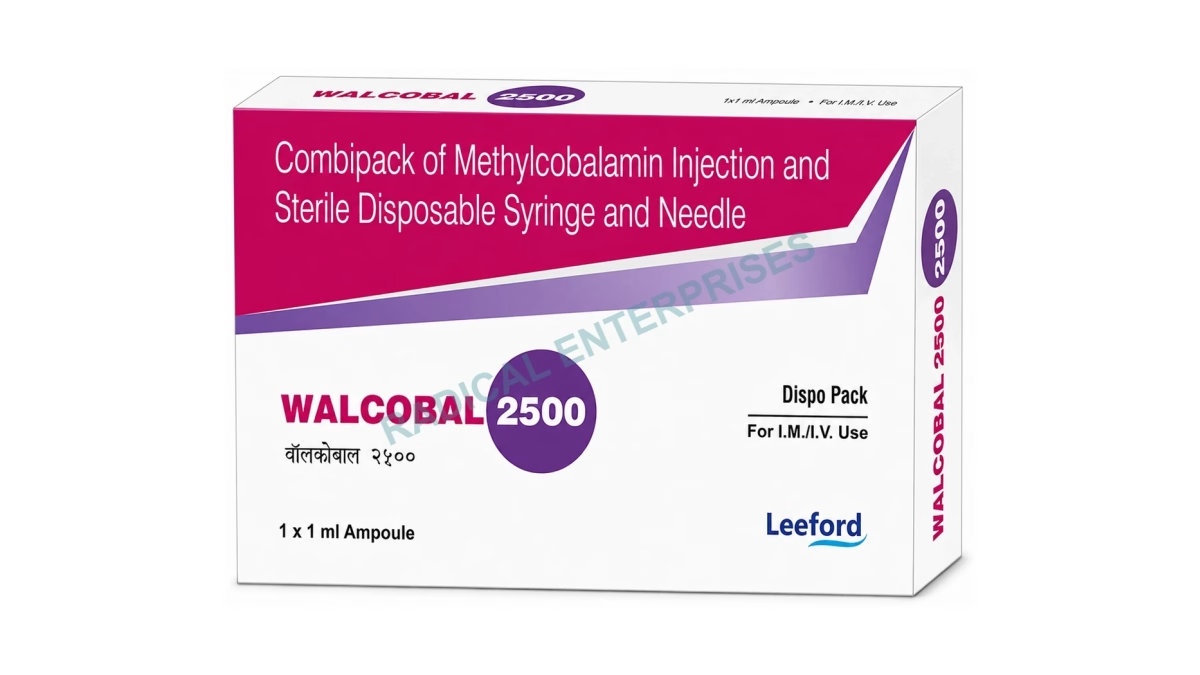 Methylcobalamin 2500mcg Pfs Pfs
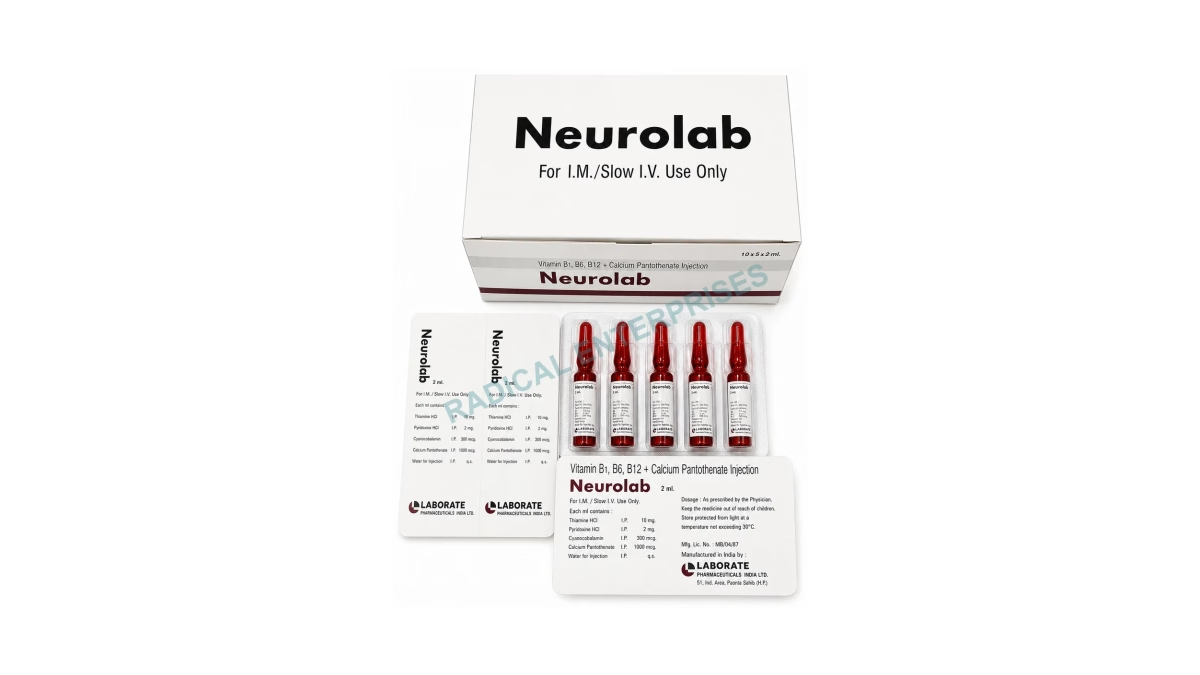 Vitamin B Complex 2mL Injection
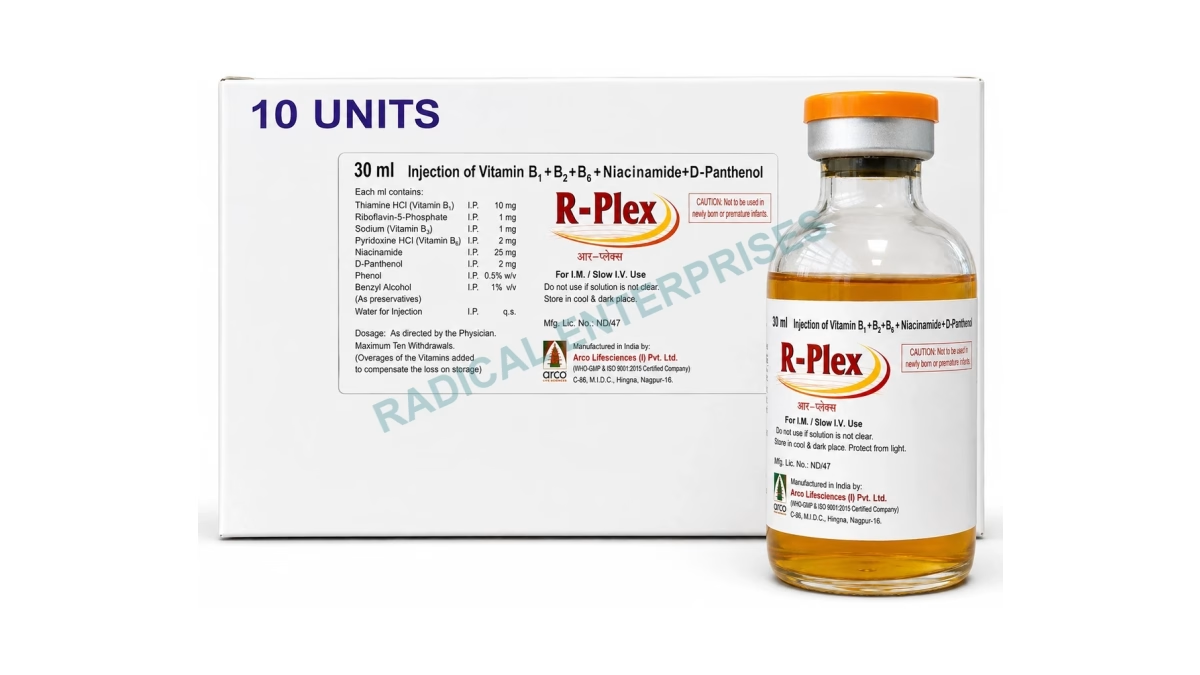 Vitamin B Complex 30mL Injection
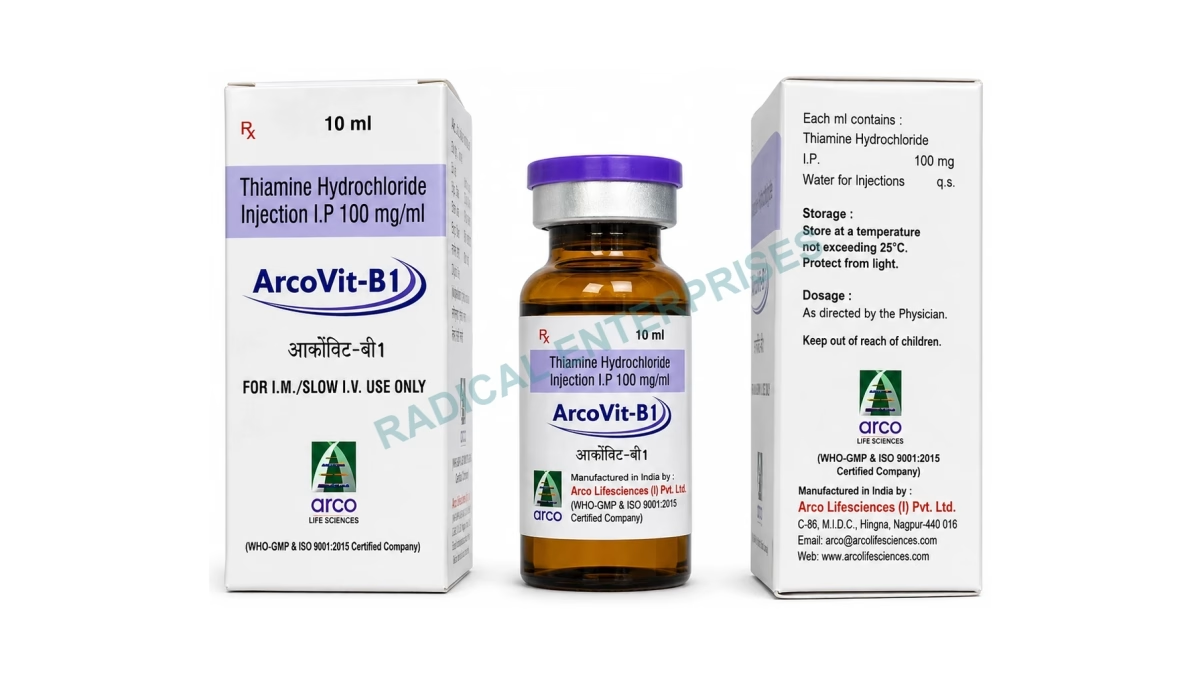 Vitamin B1 1000mg/10mL Injection
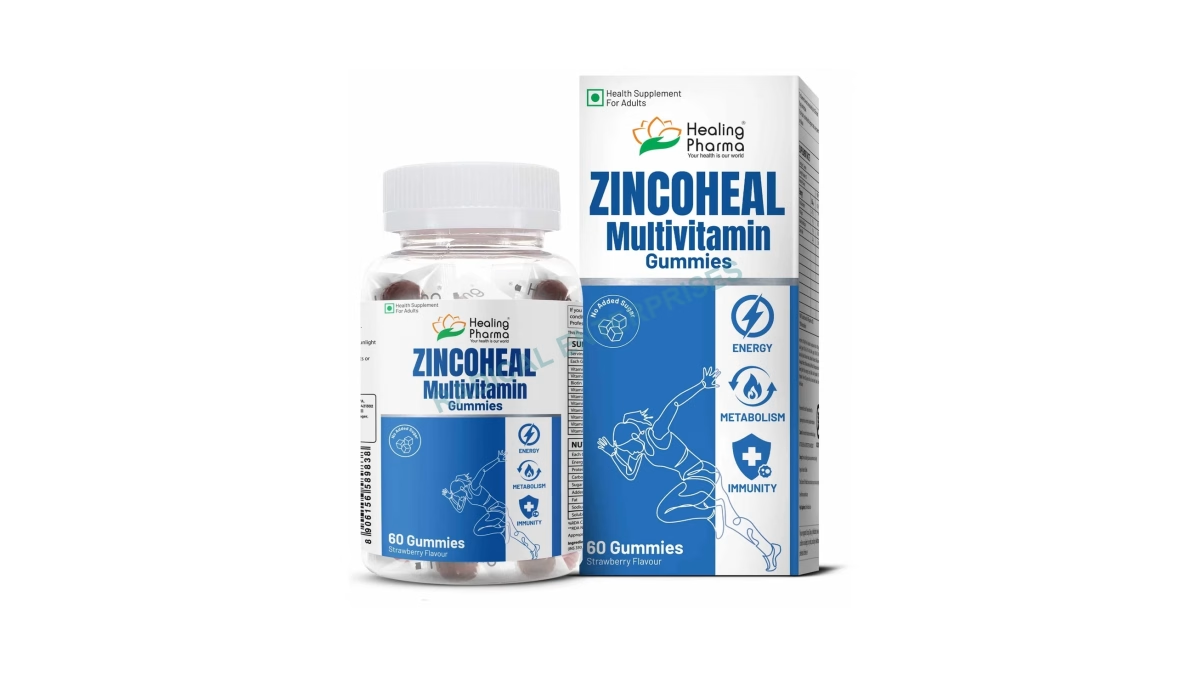 Vitamin B12 2.2mcg + Vitamin D3 300IU + Biotin 40mcg + Folate 120mcg + Vitamin A 600mcg + Vitamin C 50mg + Vitamin B6 1.9mg + Niacin 11mg + Vitamin B5 5mg + Vitamin K2 55mcg per serving Gummies Gummies