
1–9 boxes
$45.00 each
10–24 boxes
8% off
25+ boxes
10% off

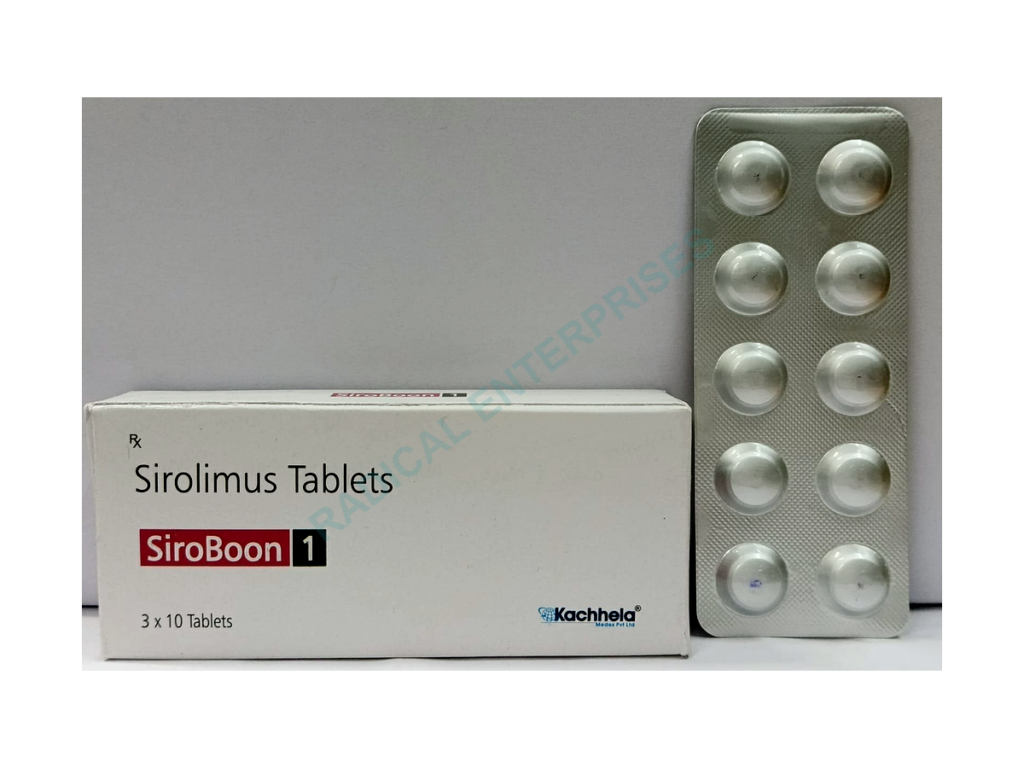
Sirolimus 1mg is an immunosuppressant used to prevent organ transplant rejection and in selected specialist conditions. It lowers immune activity to protect transplanted organs or control abnormal cell growth pathways. The information is written to support clear product identification and practical page display.
Take at the same time each day, consistently with or without food. Blood-level monitoring may be needed to keep levels in a safe range. Match the route to the product form before use.
Sirolimus blocks mTOR signalling, reducing immune-cell activation and cell growth. This helps prevent rejection in transplant therapy. The action described by the medicine class explains its main therapeutic role.
Common side effects include mouth ulcers, swelling, high cholesterol, acne, diarrhoea, headache, high blood pressure and increased infection risk.
Extra caution is needed with infection, liver disease, wound healing, high cholesterol and medicines that strongly affect CYP3A enzymes. Check storage instructions and expiry before use.
Sirolimus 1mg is used in the therapeutic area linked with its active ingredient and dosage form.
Sirolimus 1mg is usually taken by mouth with water. Timing and frequency can vary by therapy area, so the product leaflet or professional direction should be followed.
Sirolimus works by acting on biological pathways related to its medicine class. This helps support its role in the condition for which the active ingredient is selected.
Common side effects may include stomach upset, headache, dizziness, tiredness, rash or other medicine-specific effects. Side effects can vary from person to person and by formulation.
Check the active ingredient, strength, pack size, manufacturer, expiry, storage instructions and whether the medicine is suitable for people with allergy history, liver or kidney problems, pregnancy, breastfeeding and possible medicine interactions or those taking interacting medicines.
Sirolimusa, Sirolimuso, Sirolimusum, Sirolimuse, Sirolimusina, Sirolimusine, Sirolimusinum, Sirolimusă, Sirolimusium